Actions
Bug #4550
closed
relayd does not work with HTTPS monitor on FreeBSD 10.x and above with certain cipher combinations
Status:
Rejected
Priority:
Normal
Assignee:
-
Category:
Load Balancer
Target version:
-
Start date:
03/23/2015
Due date:
% Done:
0%
Estimated time:
Plus Target Version:
Release Notes:
Affected Version:
2.2.1
Affected Architecture:
All
Description
Load Balancer monitor when set to Type:https reports all nodes of the cluster as down, whereas other monitors (such as tcp) against the same servers (and same pool) report the servers as up. Ports are open on the servers and the https type worked on at least version 2.1.3 (2.1.5 was skipped). Problem first noticed on 2.2, and still exists when upgraded to 2.2.1
Files
| loadbalancemonitor.JPG (30.9 KB) loadbalancemonitor.JPG | Screenshot showing 2 pools with only change being the monitor |
 Updated by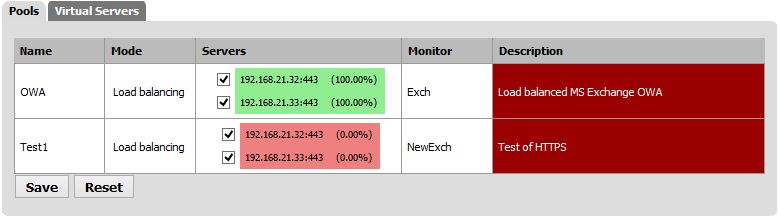
Actions